

Executive Council
-

Robyn Emory - President
Robyn Emory is currently a coordinator for a legislatively mandated study on North Carolina's Judicially Managed Accountability and Recovery Courts (JMARCs) and a lecturer of criminology through UNC-Wilmington. Robyn holds a BA in Criminology from North Carolina State University and both an MA in Sociology and Criminology. Previously, she served as a sociology instructor at a community college, where she was actively involved in running the Pride organization and earned nominations for the Award for Excellence in Teaching. While the nature of her work has shifted from teaching the foundations of our field to examining state and local efforts to address substance use disorder, Robyn remains dedicated to community efforts and continues to examine how inequality persists across various systems.
-
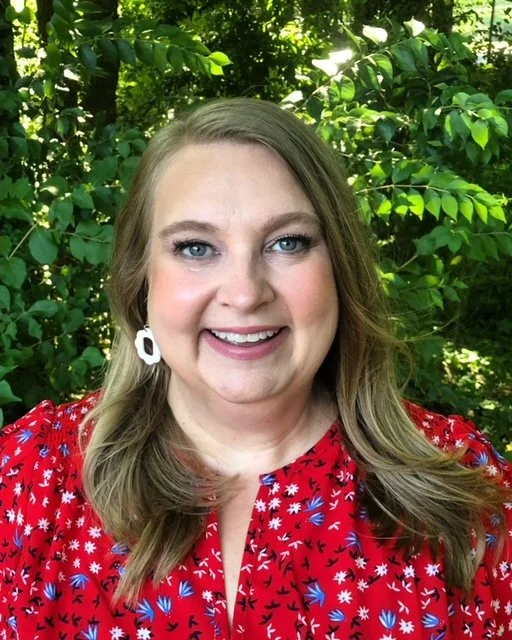
Megan Smith - President Elect
Megan Smith, PhD, is an Assistant Teaching Professor of Sociology at UNC Charlotte, focusing on loneliness, mental health, and deviance. An Honors College Faculty appointee, she serves as Secretary/Historian for Phi Beta Kappa and has held leadership roles across the University and in the community. Recognized as a Phi Kappa Phi Distinguished Faculty Member, she received a Trailblazer Award for teaching excellence. Dr. Smith chairs the CHESS Alumni Council, the NC Public Health Association Aging Section, and the Southern Sociological Society’s Public Policy/Advocacy Chair. She holds a PhD from Emory, an MA from UNCC, and a BA from NC State. She co-authored Ties that Enable (2021) and has a textbook forthcoming in 2025. Dr. Smith is the President-elect of the NCSA and remains dedicated to mentoring and community-engaged work.
-

Victoria Kurdyla - Editor of Sociation
Victoria Kurdyla (she/her) is an Assistant Professor in the Department of Sociology and Criminal Justice at the University of North Carolina at Pembroke. Her research focuses on victimization and criminalization within queer and transgender communities. She has published multiple articles on help-seeking behaviors and barriers for transgender and nonbinary survivors of intimate partner violence. She serves as on the Executive Council and is the editor of NCSA’s open access journal, Sociation.
-

Julie Krueger - Secretary
Julie Krueger (she/her) is a Lecturer in the Gender Studies & Research Center at the University of North Carolina Wilmington. She earned her Bachelor’s in Sociology from the University of Wisconsin-La Crosse before completing her Master’s and Ph.D. in Sociology at the University of Illinois at Urbana-Champaign. Dr. Krueger plays an active role in advancing the GSRC’s mission of promoting gender justice and equity and works hard to foster student engagement through the GSRC Ambassador program and UPLfT Leadership Institute. Her first line of research examines the relationship between sex work and masculinity; her second line of research highlights patterns and perceptions of gendered violence, namely street harassment and cyberstalking.
-
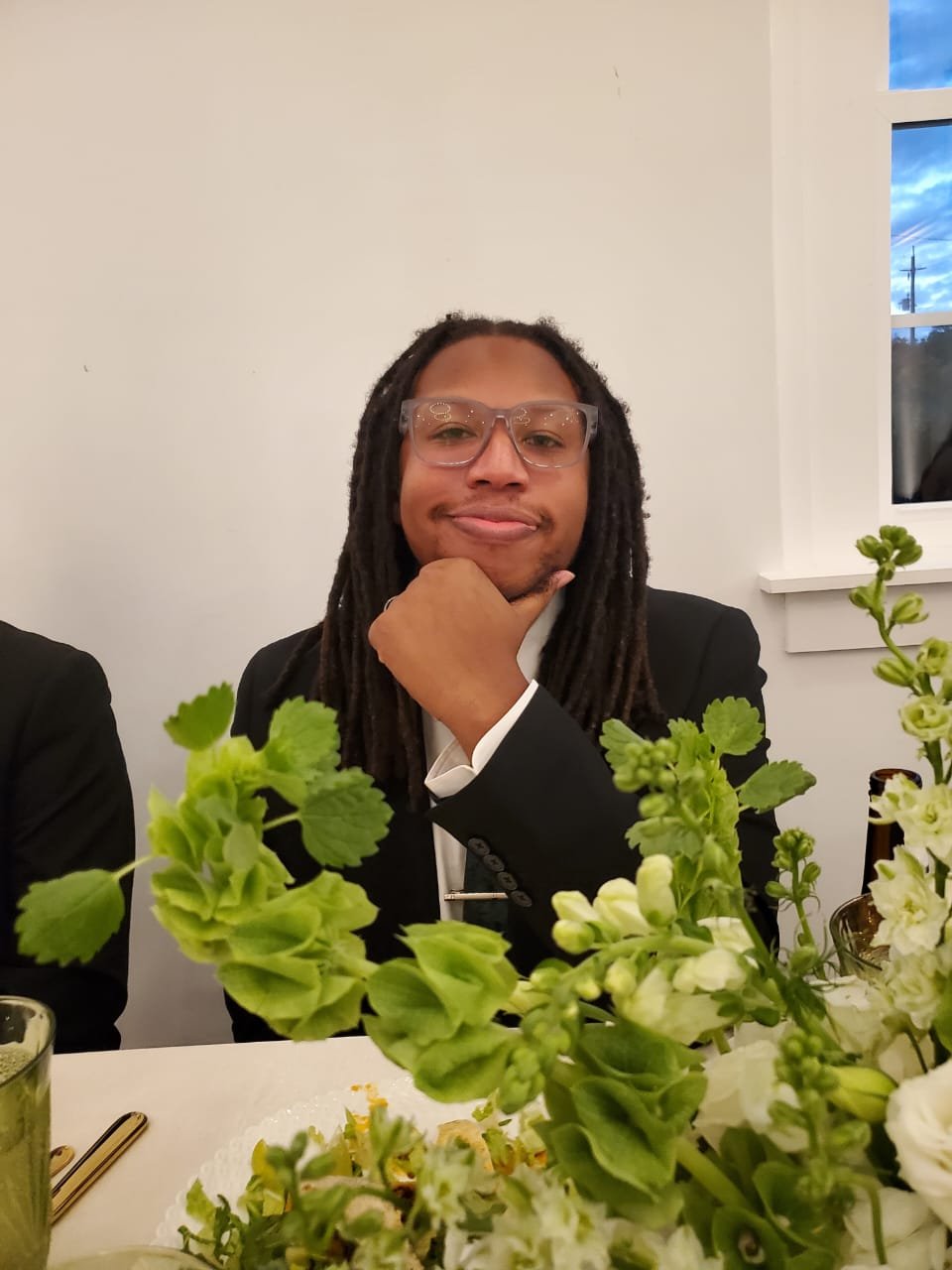
Jeremy James - Historian
Jeremy James is an educator and emerging scholar in sociology and educational leadership based in North Carolina, teaching at Cape Fear Community College in Wilmington. His work focuses on race, inequality, and mentorship, particularly how social capital shapes outcomes for African American youth. He completed his master’s at UNC Wilmington, where his thesis examined colorblind racism and K–12 mentorship.
Jeremy has experience as an instructor and mentor, teaching sociology, social psychology, and criminology while supporting students’ academic and career development. His teaching blends critical theory with real-world application.
-

Reneè D. Lamphere - Treasurer
Reneè D. Lamphere (she/her) is an Associate Professor of Criminal Justice in the Department of Sociology & Criminal Justice at the University of North Carolina at Pembroke. Her areas of academic interest include corrections, mixed-methods research, sexual violence and victimization, family violence, and cyber and digital-media crimes. Dr. Lamphere has a particular interest in teaching and pedagogy. She has published in the Journal of Criminal Justice Education and does research on teachers and school leaders and their role in K-12 school violence. In 2022 she co-edited the book Survivor Criminology, which examines the lived survival experiences of professionals teaching and working in the criminal justice field. Dr. Lamphere is a past president of the North Carolina Sociological Association.
-

Jacqueline Crowell - Webmaster
Jacqueline Crowell (she/her) is a data analyst and researcher currently serving as the lead analyst for a SAMHSA-funded initiative focused on substance use prevention in rural Southeastern North Carolina. She also conducts research through the Department of Sociology and Criminology at the University of North Carolina Wilmington, contributing to projects examining disaster-induced food insecurity in rural communities and social drivers of health (SDOH) identification practices in rural healthcare settings. Jacqueline holds a BA in Sociology and an MA in Sociology and Criminology from the University of North Carolina Wilmington. She is particularly interested in rural contexts and the American South, with a focus on how neighborhood and geographic factors shape individual lives and community outcomes. Jacqueline is passionate about using data to strengthen community resilience and foster long-term self-sufficiency. While her projects have addressed a range of topics, her work is united by a commitment to sustainable growth and capacity building across rural communities.
-
Kristin Godwin
-
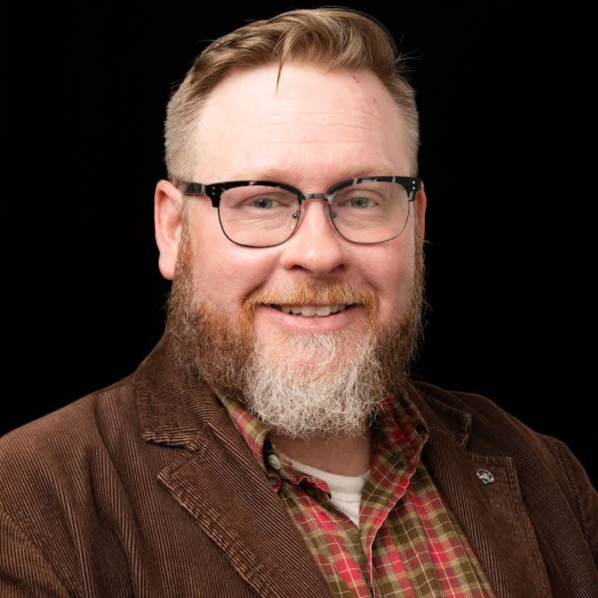
Cameron Lippard
Dr. Cameron D. Lippard joined the faculty of Appalachian State University in 2007 and currently serves as the Chair of the Department of Sociology. He received his Master’s and PhD from Georgia State University, and his BA in Psychology and Sociology from Appalachian State University. His teaching interests focus on race and racism, immigration, war, and research methods. His research interests are broad. Lippard has critically examined the treatment of Latino immigrants moving to the American South. He has also studied affirmative action in college admissions, the effects of military participation on veterans, and the socio-cultural significance of craft beer, moonshine, and the Confederate battle flag. He has published eight books and edited volumes, and his most recent, titled Protecting Whiteness: Whiteness and the Rejection of Racial Equality, was released by the University of Washington Press. Currently, he serves as co-editor of the research journal Humanity and Society and as Executive Officer of the Southern Sociological Society. As for NCSA, he has served on the Executive Council, as the President of NCSA, and as the editor of NCSA's journal, Sociation.
-
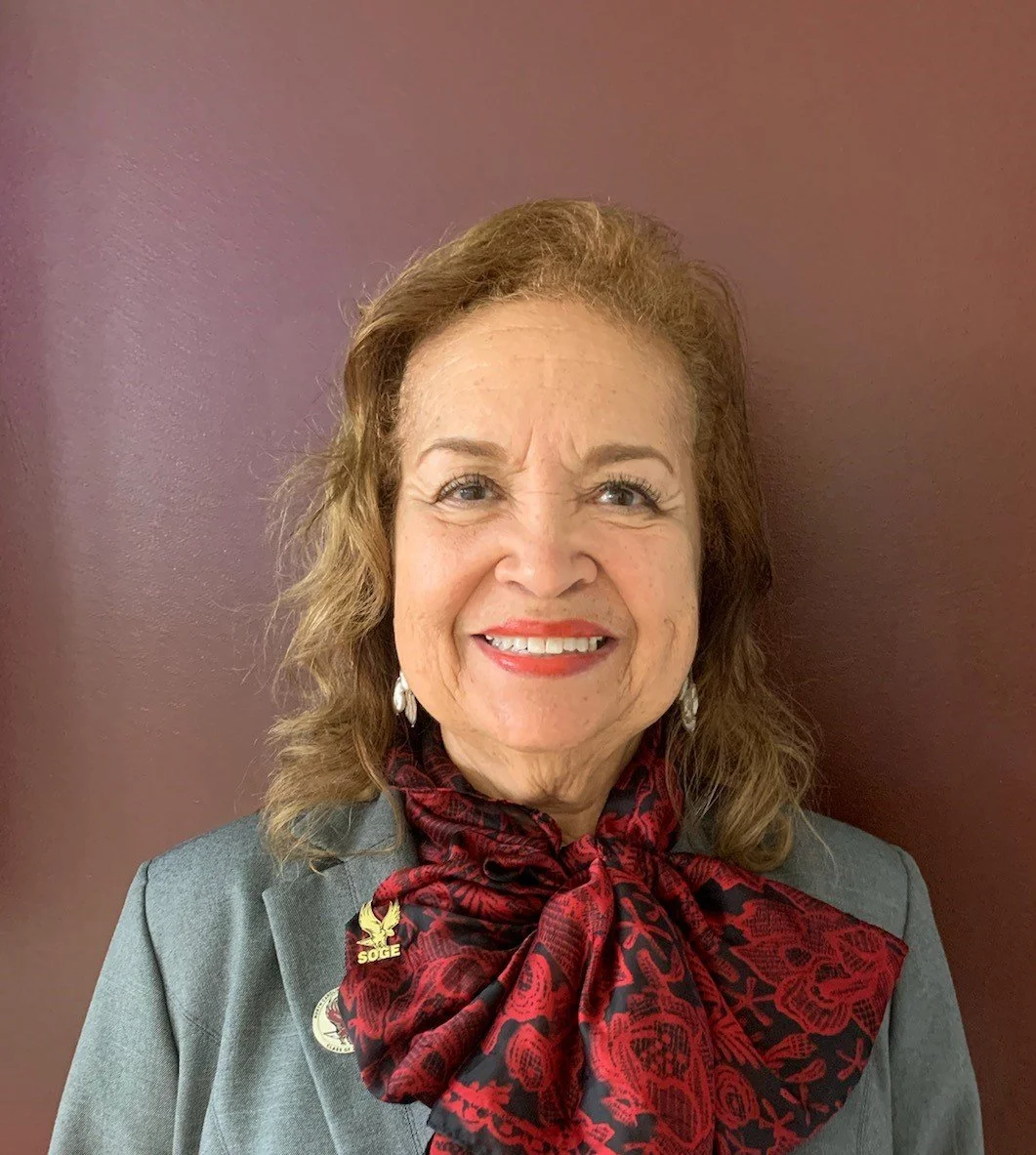
Sandra Rogers
Sandra Rogers is a proud “triple Eagle” of North Carolina Central University (SOGE Class of 1971), earning a B.A., M.A. in Sociology, and a Juris Doctor. She completed her accredited M.A. with a thesis in just one year. Professor Rogers has served on the NCCU faculty for over 50 years, holding only one brief position outside the university before beginning her long academic career.
Her teaching and leadership roles have been extensive, including Director of the CBSS Teach-Out Program, Lead Sociology Advisor, and current Transfer Coordinator for Sociology Adjunct Faculty in the Department of Social Work. She also served as Faculty Senate Chairperson (2011–2013), helping guide the selection of the university’s first permanent African American female Chancellor.
Professor Rogers later chaired the 2014 Chancellor’s Installation Week, successfully coordinating a large-scale campus event. She credits NCCU’s collaborative culture—“Protecting the Nest”—for fostering unity and student success.
-
Sam Hauser - Chair of Student Issues Committee
-
Stephanie Teixeira Poit
Stephanie Teixeira-Poit, PhD, is the Associate Director of Community Engagement for the Center of Excellence for Integrative Disparities and Equity Research (CIHDER) and Associate Professor of Sociology in the College of Health and Human Sciences at North Carolina A&T State University. Her work focuses on advancing health equity by partnering with communities to design, implement, and evaluate innovative approaches to care and health systems change. Her research addresses value-based care, social and structural factors that shape health, and workforce capacity building. She is a dedicated educator who uses experiential learning to teach research methods, data analytics, and medical sociology and has been recognized with the American Sociological Association (ASA) Hans O. Mauksch Award for Distinguished Contributions to Undergraduate Sociology. She currently serves as Treasurer/Secretary of the ASA Teaching and Learning Section and previously served as Health Policy and Research Chair of the ASA Medical Sociology Section and Vice President of the Rural Sociological Society.
-

Abe Walker
Abe Walker is Assistant Professor of Sociology at Fayetteville State University. His work sits at the intersection of industrial relations, cultural studies, and social theory, with a methodological focus on organizational ethnography and qualitative research. His forthcoming book, Reassembling the UAW: Insurgency, Contention and the Struggle for Unionism in the American South (due Spring 2026 from Temple University Press), draws on a decade of fieldwork to explain how the United Auto Workers union achieved a landmark victory at a US Volkswagen plant. Active research streams center on questions of labor power and organization amid economic restructuring, climate crisis, and geopolitical turmoil. His work has been recognized with awards from the Labor and Employment Relations Association (LERA) and the Illinois Climate Jobs Institute (ICJI), and published in such venues as Leadership, Journal of Political Power, and Labor History. He is a member of the American Association of University Professors and served previously as a campus organizer for the Professional Staff Congress (American Federation of Teachers, Local 2334). He holds a Ph.D. in Sociology from the Graduate Center at the City University of New York.
-
Cassandra W. McLaurin
With over 15 years of teaching experience and a decade in higher education leadership, Cassandra is dedicated to academic excellence, inclusive learning, and student success. She currently serves as Department Head of Social Sciences at Wake Technical Community College, overseeing curriculum development, faculty support, and strategic planning. Cassandra holds dual B.A. degrees in Sociology and Women’s and Gender Studies from UNC Greensboro, an M.A. in Sociology from North Carolina Central University, and an Ed.D. in Community Cares Counseling with a focus on Marriage and Family from Liberty University.
Her professional interests include marriage and family, race and ethnicity, education, gender, and intergenerational trauma. Known for her collaborative leadership and passion for equity, she promotes socially conscious, interdisciplinary teaching that prepares students for a diverse world. Cassandra is also an active member of the GNCA Chapter of Delta Sigma Theta Sorority, Inc.
Advisory Board
-

Abigail Reiter - Sociation Editor
Abby Reiter (she/her) is an Associate Professor of Sociology at the University of North Carolina at Pembroke, where she teaches a variety of courses, including introduction to sociology, sociological writing and rhetoric, exploring masculinities, and sociological theory. She co-created a course on race and racism and a course devoted to feminist theories. She earned her PhD from George Mason University. Her research typically uses qualitative or mixed methodology to examine experiences with, and manifestations of, various types of interpersonal and institutional oppression, such as racism, heteronormativity, and sexism, and the maintenance of power associated with these systems. She is involved with social justice and inclusion initiatives at the university. She is a member of multiple boards and committees devoted to advancing sociological knowledge.
-

Miranda Reiter
Miranda Reiter (she/her) is an Associate Professor of Sociology at the University of North Carolina at Pembroke, where she is the coordinator of the medical sociology minor for the Department of Sociology and Criminal Justice. She teaches a variety of courses, including social statistics, social research, health and society, and health inequalities. She earned her PhD from Utah State University and worked as a postdoctoral research assistant at Sam Houston State University. As a social epidemiologist, she studies how social processes and factors impact the health of groups and individuals and contribute to health inequalities. Most of her research focuses on health disparities related to race and other social categories. She is a past President of the North Carolina Sociological Association.
-
Heather Griffiths
Heather Griffiths (she/her) earned her Bachelor of Arts degrees in sociology and anthropology from Millersville University in Millersville, Pennsylvania. She holds Master’s and Doctoral degrees in Sociology from the University of Delaware in Newark. She is currently an Associate Professor in the Department of Sociology and Interdisciplinary Studies in the Fayetteville State University (FSU) College of Humanities and Social Sciences (CHSS).
She specializes in deviance/criminology; collective behavior; social movements; social psychology; and the scholarship of teaching and learning. She has numerous publications to her credit, including the OpenStax textbook Introduction to Sociology 2e. She is currently researching pedagogy, neurodivergent experiences with disaster preparedness, and the social construction of miscarriage. Dr. Griffiths has served multiple terms on the NCSA Executive Council.
-
Kathleen Brennan
Kathleen M. Brennan is Professor of Sociology and Director of the Sociology Program at Western Carolina University. In her teaching and research, she addresses health disparities across social groups and how they persist over time. This includes four areas related to mental health: stigma, self and identity, social stress, and health care services. For more than a decade, she has used quantitative methodologies to collaboratively examine mental health stigma in the context of higher education. She has co-presented these research findings to professional audiences and co-authored papers in higher education, health, and other disciplinary publications. Additionally, she regularly teaches about and provides consultation on the sociology of mental health and illness on campus and in the regional community.
-
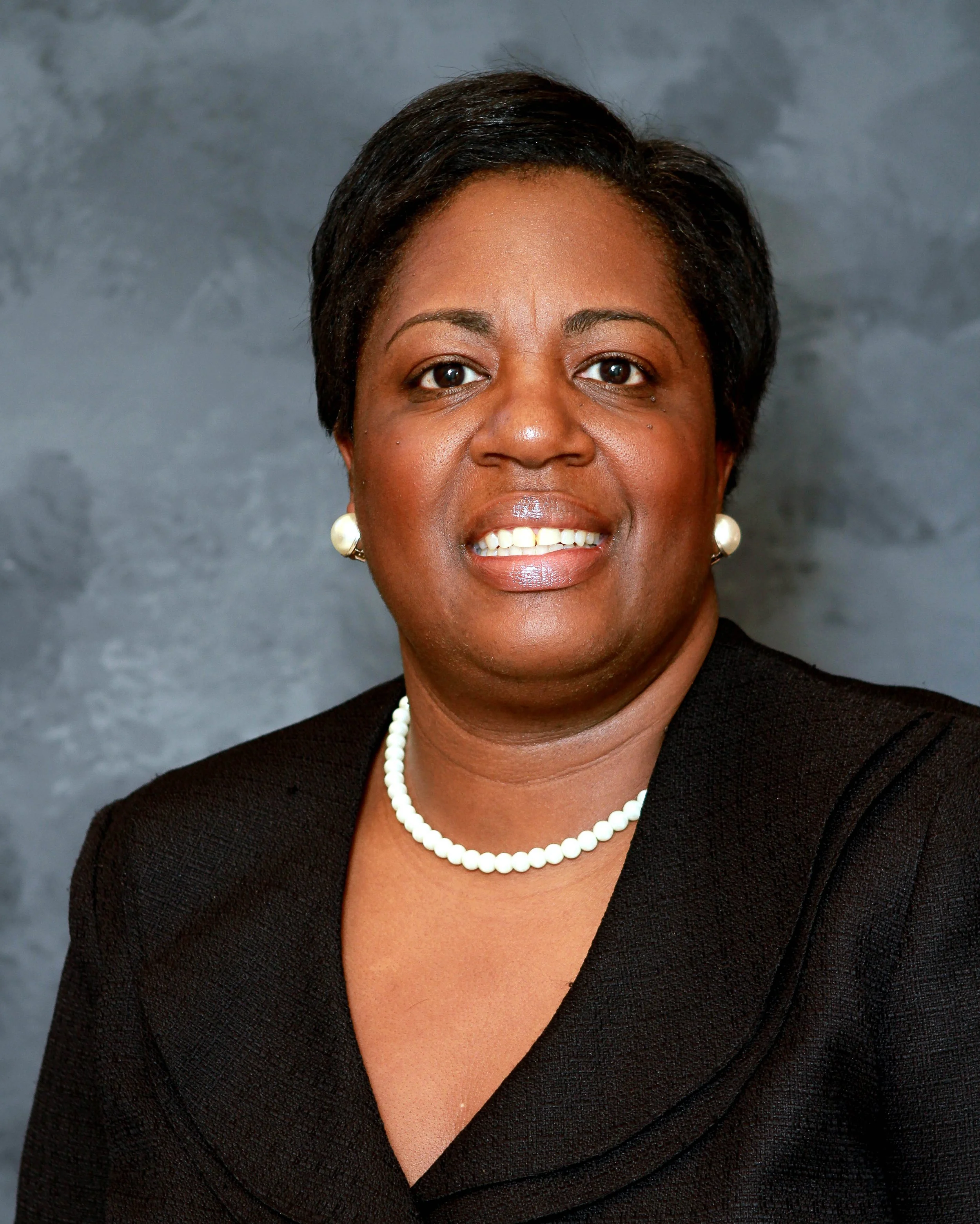
Stayce Blount
Stacye A. Blount (she/her), Associate Professor of Sociology and Graduate Program Coordinator in the Department of Sociology and Interdisciplinary Studies at Fayetteville State University (FSU), began her tenure at the university in fall 2010. Her research focuses on the scholarship of teaching and learning in sociology. In 2017-18, she served as NCSA President. Currently, she is an editorial board member for the NCSA's flagship peer-reviewed and open access journal, Sociation, and serves on the organization's advisory board. She enjoys everything about NCSA!
-
Tangela Towns